
🖲️ 玩法介绍
特工17这是一款由[HEXATAIL]制作的沙盒SLG游戏,游戏的建模还是很相当精致的,剧情也很丰富,并且大部分角色都是亚洲风,符合亚洲审美,综合素质出色,女性漂亮角色很多,动态也很细腻。 某年某月某日,你在车祸现场捡到了一部手机,当你打算卖掉它赚点零花钱的时候,突然接到了一个电话。对方自称代号17号,是一位特工17官网,几乎无所不能。但是貌似脑袋不太灵光,把你认作她的顶头上司。那么你会让他做些什么呢,教训欺负你的小太妹?调查你女神的真.相?或者别的什么?
游戏特色
战斗系统
流畅的动作战斗体验
开放世界
自由探索广阔的游戏世界
多人合作
与朋友一起享受游戏乐趣
成就系统
丰富的挑战和奖励机制
游戏截图
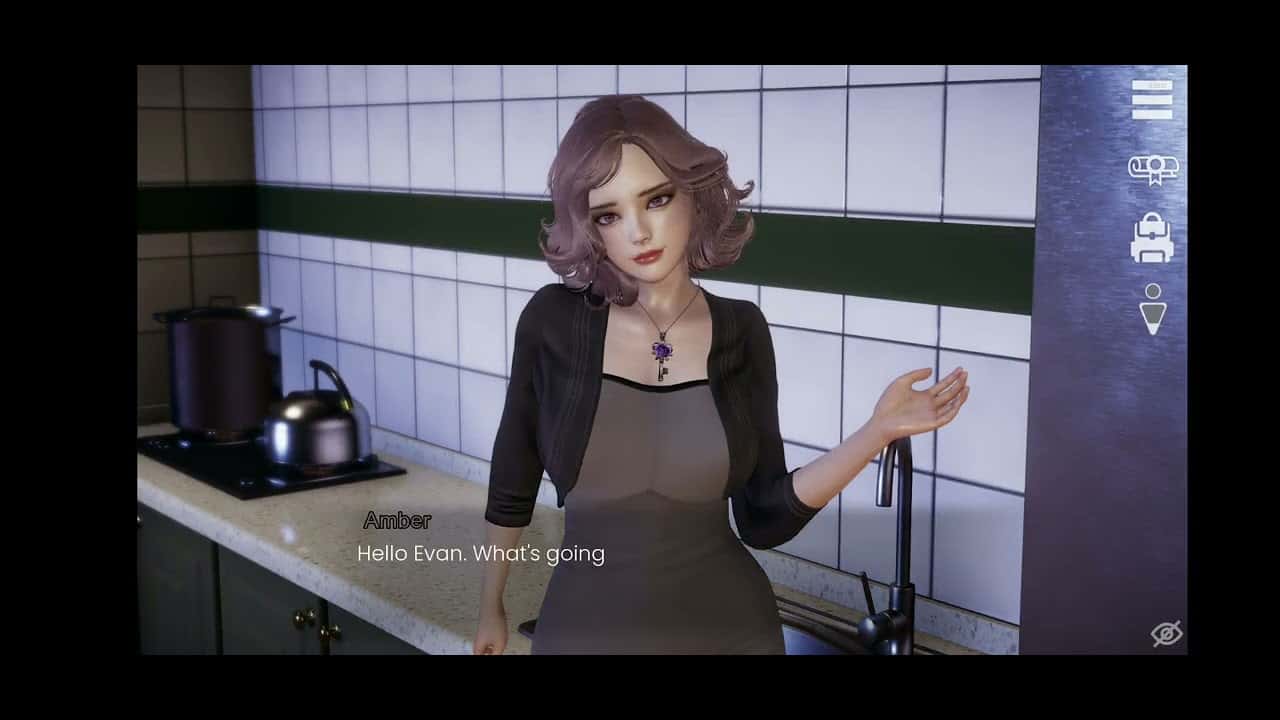


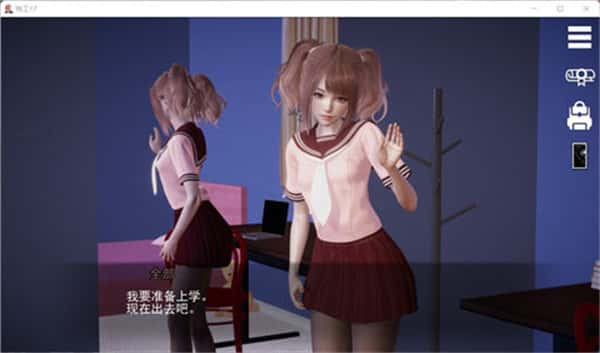
游戏数据
🛂 使用攻略
🎮 使用攻略标题
📚 攻略说明:
首先进游戏剧情后先输入各种特工17礼包码,切记前面4个奖励礼包码只能选其一(当然选50刀...),输入礼包码的方法是打开背包,点手机,然后输入号码就行(礼包码大多数人应该都有,我会把这次的礼包码发在评论区),好多人物都有两条线,我都会讲(除了作者基本没开发的)
主线:去学校>教室>先各个人物交谈下>上课>剧情里都是单一选项没什么可说的( 接下去剧情中单一选项的我都不提了)>出学校去后巷>Erica>随便选>回家和dana说话>摸头>左上快进时间>右边手机>每个问题问一遍>amber>让她给你买台电脑吧>计算机>睡觉>看妈妈>去学校>luna>颜色看着选>请求另一个吻>教室上课>空教室>ophelia>我的电脑坏了,你能修好吗>去店铺街>礼品店>anriel>摸>站起来>我的乌龟受伤了>随便选>点店铺街的胖子makoto>呼叫>amelia>对话完回家>dana房间找她>回自己房间点计算机>快进时间>手机>休息(暂时不做特工任务,后面分各个人物去做攻略,而因为50刀的礼包码里有特工的藏身处,所以休息能各资源加10)>快进时间>dana房间>想办法开门>厨房>dana房间>开门>选第三个>睡觉>妈妈能给我钱吗(赚钱的方法有很多,搞卫生,去医院卖蝌蚪,校长办公室,找老师,礼品店整理娃娃,卖战利品给胖子等)>回自己房间>计算机>看邮件(这个爸爸真是好榜样...)>窗户>amber房间找妈妈>敲门>问问dana第一次去海边的情况>去学校>快进时间>空教室>ophelia>去礼品店买望远镜和睡衣>回家回自己房间>计算机>去后巷>erica>回家找dana给她新睡衣
🌟 主要特工17角色攻略
chloe:去咖啡店买arete jelly(顺便买arete糖浆)>傍晚她在的时候可以给她果冻>可爱的>是的>等chloe在的时候找她>不,我没有>隔天再找她>隔天再次找她出现新的选项>玩个新游戏>去礼品店买个游戏转盘>回去找她>玩个轮盘游戏>脱掉一件>这里可以用礼包码里的作弊功能>三次都选自己就行了(当然也可以选她们俩,只要保证自己输就行了)>不跳舞>隔天再找chloe玩...的游戏>自己看着选吧(能增加好感上限)>多买几颗arete jelly,改天再找她>给她糖>玩....的游戏>把它放在你的嘴里>接下去自己看着选就行(结束增加好感上限)>改天再找她给她arete jelly(现在应该好感是4心)>把chloe叫到自己房间>快进时间>回自己房间找她>自己看着选吧(如果手头有5个arete jelly,可以向她买战利品)>隔天再找她叫回自己房间>这次战斗需要提升她的唤醒度,直到可以进行下一步,各个选项都试一遍都能行的(不行的话就隔天再来)>成功后隔天再找她先给arete jelly,再选那个2心的游戏,然后游戏过程中有个5心的选项新增,点这个选项>成功后隔天再找她叫她去我们房间就特工17官网会解锁5心的和dana一起玩的选项,点这个(会提示需要和dana的关系改善才可以,如果不行的话就去找dana提升对应的关系吧,束缚和糖基本是满的,好感只需要在dana一个人的时候给她糖或者帮她做作业或者给chloe果冻,dana也会涨一点)>每个选项都选一遍>然后去超市买可乐>找dana给可乐>快进时间>去找dana>自己看着选吧>隔天再找chole>和dana、chloe做点事>自己看着选吧>隔天半夜去找dana各种选项试着提高她的唤醒度到最高(一次不行的话就第二天继续)>成功后自己回去睡觉发生剧情>隔天再找chloe叫到我们房间>玩游戏赚钱>这里存新档(开启chloe分支),目前没啥内容,chloe和dana的剧情就到这里了,等更新吧
amber:升级到2级按摩后晚上去房间找她>要我帮你按摩吗>隔天早上去她门口敲门>这里怕失败可以存个档再滴眼药水(左右眼各一次就行)>不知道是dana剧情推进到一定程度还是再次在电脑里收到爸爸的邮件,某天睡醒会发生老妈进我们房间的剧情>问妈妈早上是否来过我们房间>先去自己电脑上学习隐形>半夜去她房间(需要加她属性先,在她洗碗时看她,看电视时看她,帮忙滴眼药水等都可以)>再敞开一点>目前等级不够,先离开>改天半夜再去找她>取下毯子>自己看着选>去电脑上看爸爸发来的新邮件(终于爸爸要给我们钱了)>接下去每天半夜都去找她,提升隐形经验然后去电脑上升级技能>下次再来能看看相框(发现取钥匙需要技能到4级)>只能不断重复然后升级(4级的拼图还是有点难度的,看下面我发的图)>4级后半夜再去找她看看相框>取下钥匙(得到500)>目前剧情就到这里了,等待更新吧
anriel:早上自己房间窗户使用望远镜>中午找她>请她帮我....>嘴里>整理娃娃可以加好感>早上自己房间再用望远镜>用鱼竿钓钥匙等>中午去空教室问ophelia如何购买摄影机>花20购买>去anriel的家>去鹦鹉房打开笼子>去浴室安装>回家看电脑上的邮件>安装程序>早上检查电脑相机可以得到照片>中午去店里找她说话>晚上请特工找鹦鹉>隔天晚上可以在手机上寻找鹦鹉(目前还没开发)
这里特别提下,sakura和saphire是关联人物,saphire会出现两次分支,经过测试两次分支内容是一样的,只是选项略有不同,而要完成sakura的全部内容就必须在saphire出现后先走saphire的剧情,直到发现雏菊花,所以不可避免会有两次分支的选择,推荐一次选前者,另一次选后者,这样两个分支的剧情都会看一遍
sakura:中午给她拍照>找ophelia做deep fake的换脸影片>早上上课在她旁边看电影>中午找她>早上上课继续>自己看着选吧>发生剧情选第一个>第二天早上会发生剧情>接受(不管接受还是拒绝最终都会远离sakura)>中午跟她对话>隔天早上会发生剧情出现特工17中文官网新人物saphire(其实不是新人物了,圣诞内容里的冰雪女王追到现实世界了)>这里先去看saphire的攻略,走她的剧情>saphire分支选完后中午找sakura>晚上请特工删掉视频>早上去学校发现雏菊花>剧情后再次出现saphire分支(可存档)
aria:傍晚教室看到她>算了我会买>超市买可乐>傍晚再去找他>去咖啡店买咖啡>给她送去>第二天再买咖啡>把蝌蚪加入咖啡>去医院找violet买药>去医生办公室>第二天再去医院找医生>实验室>电视无法使用>算好时间剪短电缆>这里自己看着选吧(之后就可以来卖蝌蚪了)>晚上请特工操纵验血结果>白天去医院找医生(还是不给药)>晚上请特工想办法>隔天晚上去店铺街的书店>the monstrosity>两种药都买两颗>傍晚带着两杯咖啡和药去找她>剧情后得到新照片>这是最好的>如此美丽>这里自己看着选吧>傍晚去找她>向她发送讯号>这里自己看着选(可以知道她喜欢的礼物)>去咖啡店买耳环、两杯咖啡、晚上去书店买5颗肌肉减弱剂>隔天傍晚找她挑战和JAMES扳手腕>傍晚去找她挑战扳手腕>加5颗>给他们喝>这里每次都停在绿格上就可以,不行可以回滚重来>剧情后开始战斗,这里可以送礼,能加满好感度,然后自己看着选吧(特工17有两项会减好感度,从后面可以增加好感度上限)...结束后得到战利品,aria的内容就到此为止了
sophia:买到延迟药后去医院找她>吃药>自己看着选吧(之后还能来但是没法继续深入了,作者还没开发)
在线下载 特工17中文下载官网|Agent17
完整版游戏,免费体验所有精彩内容