游戏详情
✦
♡
★
游戏特色
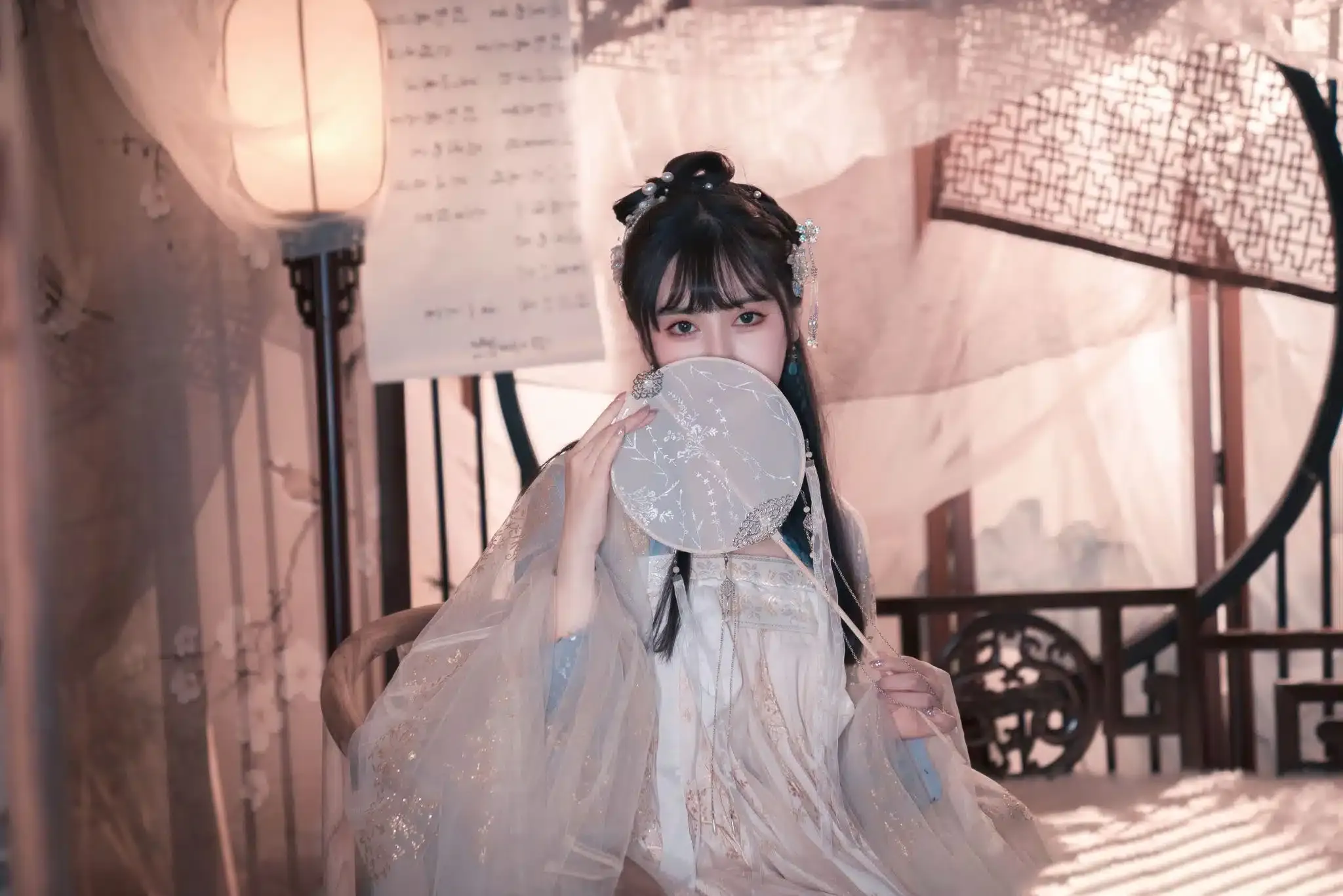
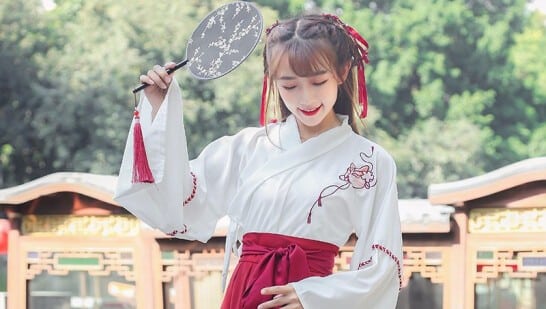
这是一款无敌超强的[color=deepskyblue][国产武侠古风]HTML式的养成角色扮演SLG游戏。 游戏中你扮演一个江湖女侠,从小成长到到大美人后修炼武功行走江湖的故事。 各种行为选项都会影响自己的属性成长,还有丰富道具和武功修行,及H属性。 海量动态CG和动态视瓶场景,全是作者精挑细选的武侠古风社保素材,很入戏。 属极度罕见的国产武侠HTML游戏大作,最新版Ver0.755,推荐下载游玩。
技巧指南
✦
♡
★
攻略指南
一山,一树,一水,似天涯三山绿水汇聚成林,中原武林群雄争霸经历多少年,引来暂时平静这其中山林深处,靖天山高耸入云,不知何时所建峰峦阶梯如磐龙蜿蜒而上,那阁楼又不似阁楼,画龙点睛一般问老人,曰香火常旺,常见达官贵人,十代朝臣上山求教。
这一天,天降暴雨,伸手不见五指,萧阳阁大门传来了声音似有蹊跷,大师傅亲自打开大门回来时,手中捧著一女娃师父给你取名姓林,名汐瑶,没有人知道你的父母是谁只知道那天大雨,师父在山门口捡到了你后,把你当亲生女儿一样抚养。
之后便一直在靖天山上生活时光如水,岁月如梭你的聪明伶俐,嘴甜乖巧,师兄师姐都非常喜欢你一下来到了7岁,这一天,师傅出了一道题, 来测试各位徒弟有没有天赋修习高深武功....
游戏玩法:
这游戏有隐藏的好感系统,同一个人你可能需要多对话几次触发活动。
属性前期拉高,可以开剧情,前期城市和自己出生点多转转,很多エロ事件。
如果一个人物经常冒出来,就多和他聊天,碰到事件不要着急过剧情。
回头再来几次,图可能不一样.
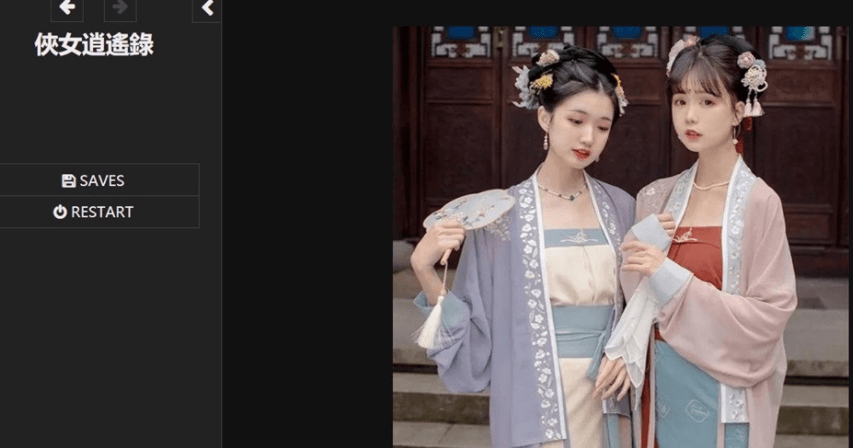
另外卖曼陀罗、蒙.汗药的药店在和老道士好感到5后,先对话。
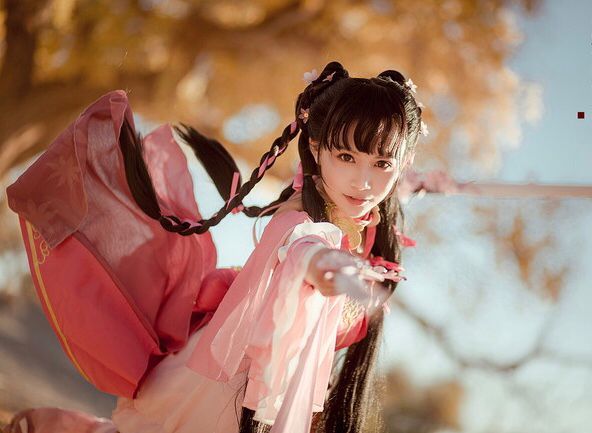
然后去你第一个去的城市,会开启。王府进门你买件最便宜的衣服就行。
游戏特点:
-近1000张精致唯美的武侠古风CG,引人入胜的沉浸代入感。
-上百个以上的社保动态CG和视瓶,全部都是步兵不骑马的。
[color=deepskyblue]-[color=deepskyblue]随机的事件和开放沙盒式的游玩方法,多种属性武功秘籍进修。
-各种装备和奇妙エロ属性都有记录,完全官方中文版方便游玩。
游戏更新:
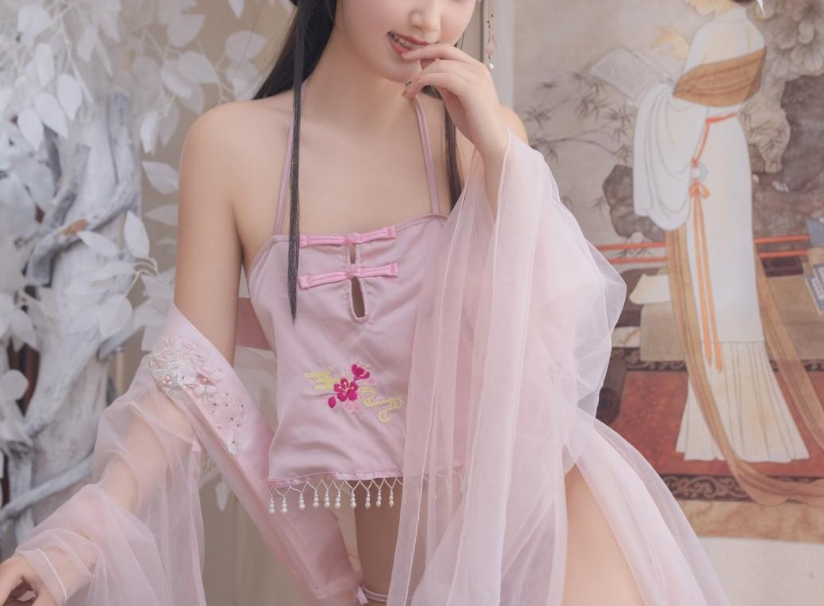
侠女逍遥录0.755-240705
更新胭脂铺老板娘剧情
见过通平府王爷后,晚上去通平府胭脂铺,会触发一段cg剧情,会发现老板娘和王爷有奸情,胭脂铺一条街都是王爷的产业,王爷打算把胭脂铺送给老板娘。
新增洛关县老人孙女任务
新增洛关县地主宅院
更新地主宅诺干剧情
洛关县晚上新增了一个唉声叹气的老人,会触发任务,原来老人是孙女被当地的恶霸地主抢去了,女主当即答应帮忙救人。
然后,洛关县就会出现地主宅,在地主宅会触发两端cg剧情
更新巨富宅院后罩房剧情
泉州巨富宅院后罩房会触发新的关于庞家二公子的cg剧情
新增私塾可以增加智力
游戏截图
✦
♡
★
相关推荐
✦
♡
★
暂无相关推荐