
游戏数据
快速操作
🧺 游戏说明
游戏特色
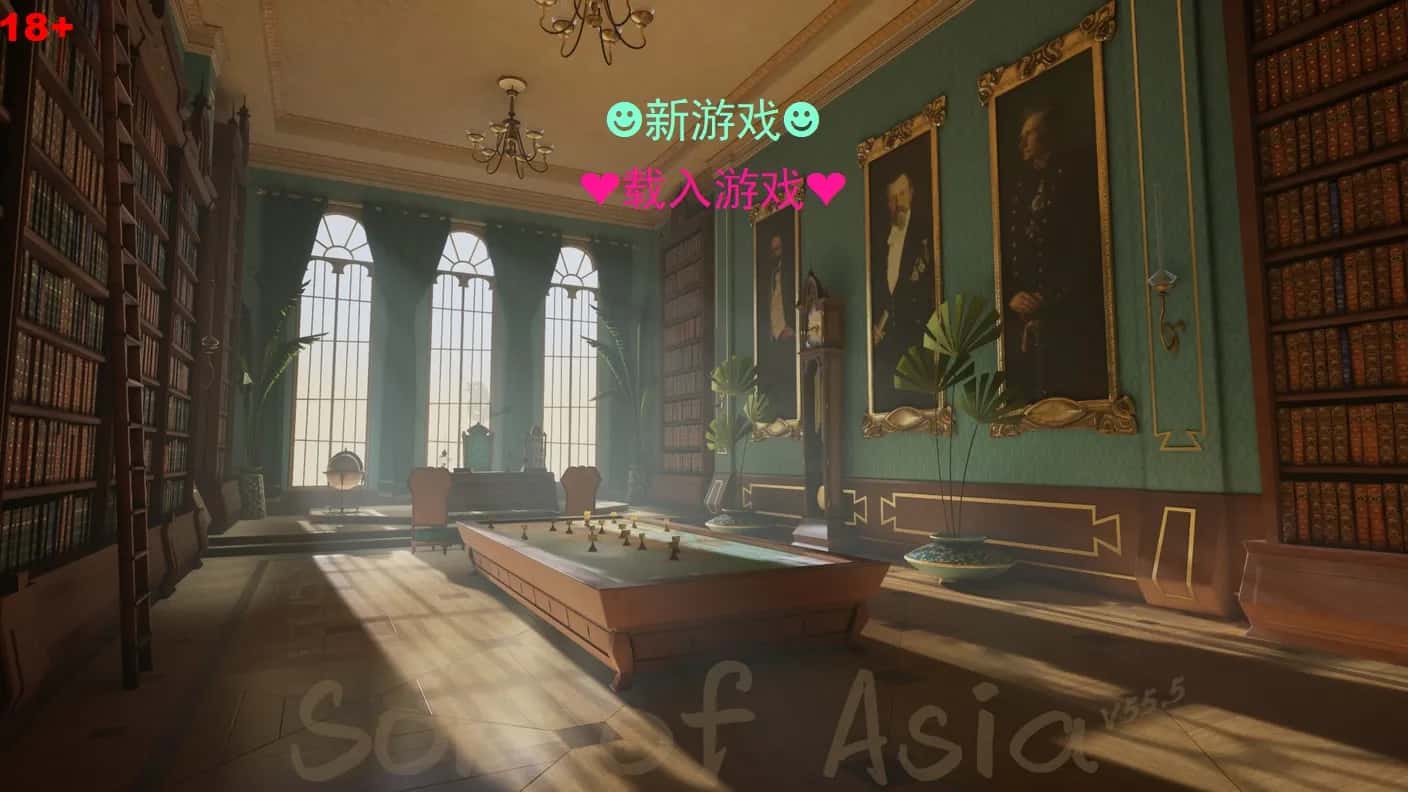
亚洲之子(Son Of Asia)是一款超过50数位娱乐主要角,62.9G超广大容量mod整合升级版 原育官方法普通话版,专为亚洲游戏者打造其大型QSP游戏 在为5款国产剧况游戏,亚洲之内部子同刻许依据坐落游戏中历练各品种不同型的职业,解锁各种幽默的剧情构变成。今天气给大家具体介绍壹下方这款游戏的策略。感兴趣的玩家抵查看看。玩家扮演超估计力量的角色,穿越至2023年的范围,图外边卷入过一场奇怪性的富豪之死。 到底,这算是命运空情的捉弄..或是者贪婪的欲望在开始作采用‧‧‧‧‧或者是非善恶的因果循环? 我们的主家开张能在许无数诱惑中找到犯人吗?欢迎免费下载《亚洲之子》
核心玩法
战斗系统
流畅的动作战斗
开放世界
自由探索冒险
多人合作
团队协作挑战
游戏截图


系统要求
💉 游玩教程
详细攻略
亚洲之子(Son Of Asia)版本日志:V60.0
<剧情>
1.新增了波多野结衣(教育部长)的新剧情,包含164+视频,16+事件
2.新增了田中瞳(市长)的新剧情,包含166+视频,14+事件
3.新增了神木麗(议员助理)的新剧情,包含139+视频,12+事件
4.新增了河北彩花(议员养女)的新剧情,包含150+视频,11+事件
5.新增了有栖花緋(市长候选人)的新剧情,包含144+视频,10+事件
6.新增了Unpai(敌蜜)的新剧情,包含126+视频,13+事件
<扩展>
1.银行事件
2.沉思酒庄事件
3.神秘岛屿事件
——————————————
亚洲之子(Son Of Asia)版本日志:V55.5C
<剧情>
1.新增了三年二班的新新剧情,第二排的6个人。
2.最终篇的序幕。
——————————————
亚洲之子(Son Of Asia)版本日志:V50.0
<剧情>
1.新增了三年二班的新剧情,第一排的6个人。第二排的6人仍在制作中。
2.新增了地下擂台赛
<修复>
1.如果警员寻枪事件意外终止在BUG上报按钮里可以一键重置
——————————————
亚洲之子(Son Of Asia)版本日志:V48.8
<剧情>
1.新增了班长的新剧情,包含167+视频,14+事件
2.新增了校花的新剧情,包含120+视频,13+事件
3.新增了电车妹的新剧情,包含129+视频,12+事件
4.以上为部长千金第一阶段的剧情,完成后会逐一开放3个可扩展的新地点
5.新增了美妆导购的新剧情,包含132+视频,10+事件
——————————————
亚洲之子(Son Of Asia)版本V41.2C3
<剧情>
1.整形医生的新剧情,包含268+视频,14+事件
2.上届冠军的后续剧情,包含60+视频,4+事件
3.俱乐部老板的新剧情,包含216+视频,18+事件
4.城建部长的新剧情,包含108+视频,10+事件,2个分支结局
5.某位隐藏角色,包含148+视频,11+事件
<支线>
1.主要的任务就是达成便利店的100万盈利
2.剧情开启的方法为-大别墅-再召开一次迎新会-去机场接机
<修复>
1.警察局长在餐厅的前置需求:至少成功完成2次义警任务中的电话任务
2.调整了车行三名投资人的各自触发条件,并可以直接显示触发需求。
3.针对偶像大赛苦手的玩家提供了一个逃课按钮,可以一键完成偶像大赛。
——————————————
亚洲之子(Son Of Asia)版本V37.8B2
重要更新
修复4S店千金的新剧情
修复魅魔使的新剧情
修复番外致命毒药卡死
修复上版本新剧情卡死或黑屏问题
补充遗漏内容问题
——————————————
亚洲之子(Son Of Asia)版本V36.3A2-版本V36.8D2
<剧情>
1.4S店千金的新剧情,包含215+视瓶,11+事件
2.魅魔使的新剧情,包含224+视瓶,9+事件
3.邻家少妇的新剧情,包含137+视瓶,8+事件
4.探班女神,包含210+,10+事件
5.美发店续剧情,包含260+,10+事件
<扩充>
1.居民区随机事件
2.中央公园随机事件
4.大别墅门铃随机事件
5.偶像公寓(N+事件)
6.偶像街(合集事件)
修复了若干版本遗留问题,并重置了图文攻略
实用技巧
新手指南
快速上手游戏基础操作
隐藏要素
发现游戏中的秘密内容
成就解锁
完成各种挑战获得奖励