和存在感薄弱妹妹一起的简单生活v0.82
存档攻略,官方中文入口
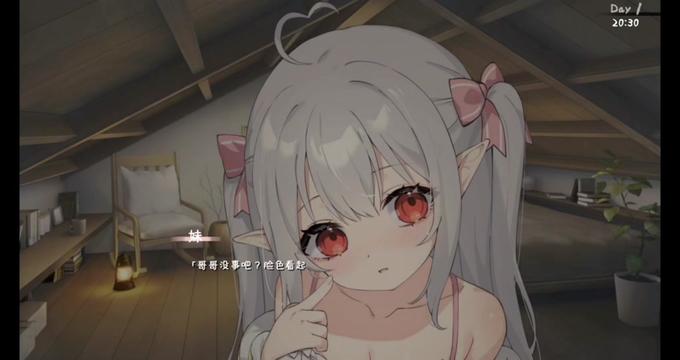
妹与同居×动作战斗×Roguelike×开放世界的奇幻RPG游戏! 玩家在与妹妹一起生活的同时,在地下城里扮演独自冒险者。 为了治愈妹妹特殊的体质,玩家不断地寻找用于制作万能药剂“红髓液”所需的材料。 如果在规定时间内无法完成,妹妹将会……! 回到家冒险后,玩家会与妹妹共度宝贵时光。 用收集到的食材为妹妹做饭,分享冒险的故事,一起玩游戏或一起睡觉。 作为一个培养游戏,玩家需要仔细观察妹妹的成长,并感受到作为哥哥的成就感。 随着与妹妹关系的加深,将解锁更多互动! [超越兄妹之情] 日复一日的亲密生活也会给两人的感情带来悄然变化……! 偷偷观察妹妹的睡脸,偷偷进入浴室! 晚上对无戒心的妹妹恶作剧,或者在玩游戏时不经意地捉弄! 尽情感受妹妹的可爱之处,但不要惹妹妹厌恶哦!
✨ 即刻下载
📊 产品介绍
🗳️ 使用攻略
和存在感薄弱妹妹一起的简单生活v0.82更新日志:
v0.82
新增了女仆兔BOSS战
新增了河之主BOSS战
为遭遇机甲事件增加了一些细节
重制了炸鱼玩法
新增了道具和装备
新增了一个敌人
2025/03/15
0.7更新履历:
-初步实装额外的洗面所妹妹手交动画(后续需要继续更新)
-初步实装厕所妹妹口交动画(后续需要继续更新)
-早晨起床后可以选择跳过流程
-洗发水相关事件修改了触发条件,哥哥一个人洗澡时出现新的操作
-增加了哥哥空手作战的能力
-实装了一些武器和装备
-优化了弓的攻击模式
-实装了商店车,目前只能通过”战车”塔罗牌进行召唤
-初步实装卢恩符文Ansuz,允许玩家自定义编写其他玩家可见的文字
-优化了自动更新的触发机制
0.21更新履历:
修复了所有0.2版本已知的BUG
0.2更新履历:
新增了获得游戏机后和妹妹的互动事件

新增了和妹妹一起洗澡的选项和事件
新增了厕所场景和相关事件
修复了一些0.1版本的遗留BUG
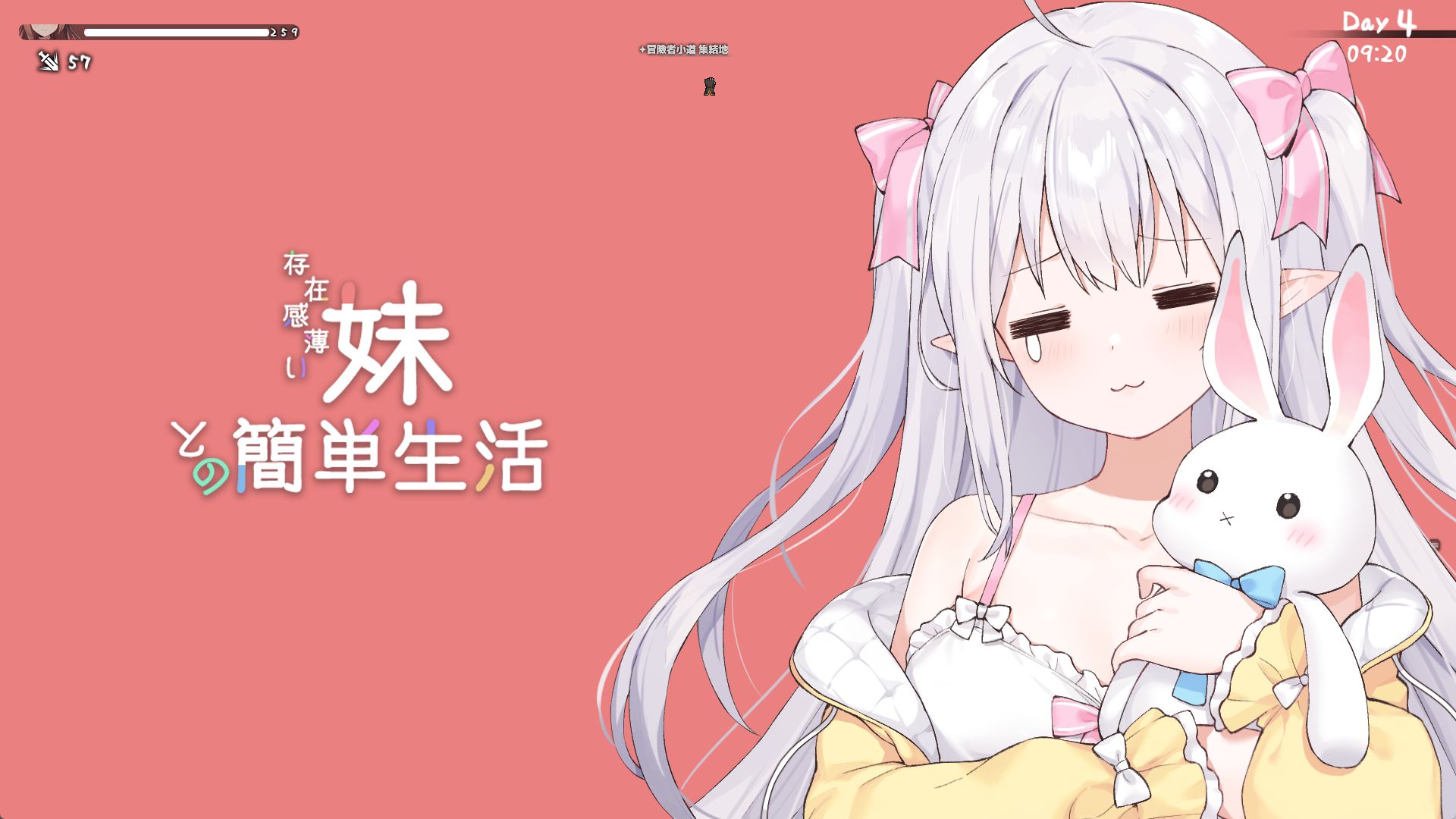
完全重制了ARPG系统,请耐心等待内容补充
新增了怪物类型
新增了地图类型
【即时战斗】
采用键盘和鼠标的即时战斗模式,玩家通过技能和装备的组合获得新的战斗体验。
每个地下城层都是独特的挑战,如果不灵活运用战术和技能,就无法取得胜利。
通过深入探索,解锁新的技能和装备,提升自己的战斗力。
【Roguelike!开放世界!】
每次进入地下城,地形、敌人、宝藏等都会略有变化,提供无尽的重玩价值和挑战。
玩家需要在每次探索中学习适应,并深入挖掘地下城的秘密。
【与妹妹的生活】
回到家冒险后,玩家会与妹妹共度宝贵时光。
用收集到的食材为妹妹做饭,分享冒险的故事,一起玩游戏或一起睡觉。
作为一个培养游戏,玩家需要仔细观察妹妹的成长,并感受到作为哥哥的成就感。
随着与妹妹关系的加深,将解锁更多互动!
【超越兄妹之情】
日复一日的亲密生活也会给两人的感情带来悄然变化……!
偷偷观察妹妹的睡脸,偷偷进入浴室!
晚上对无戒心的妹妹恶作剧,或者在玩游戏时不经意地捉弄!
尽情感受妹妹的可爱之处,但不要惹妹妹厌恶哦!